Coding Compendium
A free 100-page ebook collecting my projects and tutorials for Raspberry Pi, micro:bit, Scratch and Python. Simply join my newsletter to download it.



Small Business Websites That Work newsletter, May 2002
Sean McManus, author of 'Small Business Websites That Work', explains why every website needs a check-up once in a while.
Even if your website doesn't change much, it needs a regular check-up because the web and business environment are changing around it.
Accordingly to Linkquality.com, an average of 5.7% of links on websites are broken. The failure rate is 4.2% on business websites. Most surfers get irritated if they come across one broken link, but imagine the impact if 5% of the links on a large links page were broken. Some of these links might go to other pages on the same website, but it's more likely that failures are caused by sites that have been linked to either closing or moving to a different address.
Even if a link still technically works, there's the risk that the website has changed ownership and its content. You could be startled to find that a site you linked to in good faith some months or even years ago is now operated by a pornographer. Expired domain names with reasonable traffic levels are often bought to host inferior search engines which make money each time a search is performed and which tend to push gambling and home loans.
Before launching your site you should have tested it with a range of different browsers and on different platforms, to make sure the site can be used by everyone. But the chances are that browsers have been updated since you first commissioned your website design and the site hasn't been re-tested. Each generation of a new browser introduces a little more compliance with standards (good), and a few quirks (bad). It's the quirks that limit the freedom of your design. Even if every browser now complied with all the standards that are created to make the web easier to use and more efficient, there will still be a legacy of old browsers for a long time to come and you won't want to turn those customers away. Make sure your design still works as intended on all the major browsers in use.
Look out for your own business circumstances changing as well. Recently I've spotted:
You might design your site to minimise update costs, but you can't stop the business and technical environment changing around you. Schedule regular checks on your website to make sure that you're giving the right first impression.
© Sean McManus. All rights reserved.
Visit www.sean.co.uk for free chapters from Sean's coding books (including Mission Python, Scratch Programming in Easy Steps and Coder Academy) and more!
A free 100-page ebook collecting my projects and tutorials for Raspberry Pi, micro:bit, Scratch and Python. Simply join my newsletter to download it.
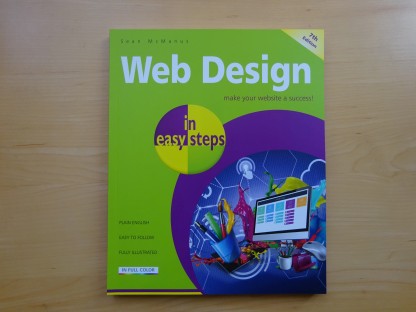
Web Design in Easy Steps, now in its 7th Edition, shows you how to make effective websites that work on any device.

Power up your Microsoft Excel skills with this powerful pocket-sized book of tips that will save you time and help you learn more from your spreadsheets.
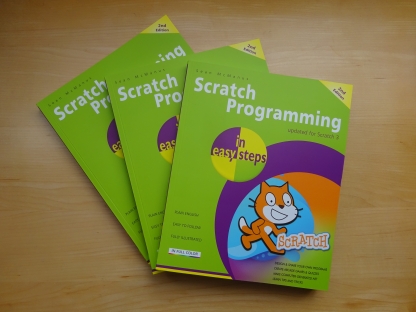
This book, now fully updated for Scratch 3, will take you from the basics of the Scratch language into the depths of its more advanced features. A great way to start programming.
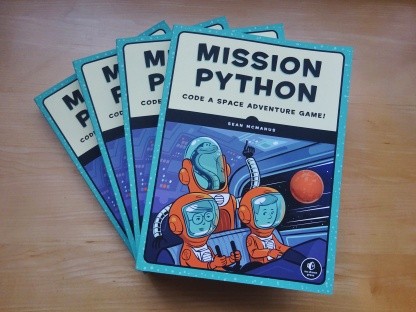
Code a space adventure game in this Python programming book published by No Starch Press.
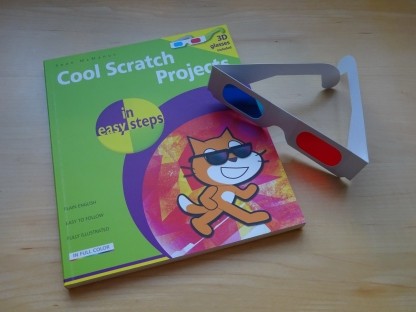
Discover how to make 3D games, create mazes, build a drum machine, make a game with cartoon animals and more!
 Top | Search | Help | Privacy | Access Keys | Contact me
Home |
Newsletter |
Blog |
Copywriting Services |
Books |
Free book chapters |
Articles |
Music |
Photos |
Games |
Shop |
About