Coding Compendium
A free 100-page ebook collecting my projects and tutorials for Raspberry Pi, micro:bit, Scratch and Python. Simply join my newsletter to download it.



To be a music journalist, you'll either need:
There probably are opportunities if you don't fit those three categories, but it's a competitive marketplace so it's important you can differentiate yourself.
Staff jobs do get advertised from time to time, but your best approach might be to work freelance. It'll give you the freedom to write about other subjects (so you can do non-music writing to bring your average pay up) and you'll have greater creative freedom by writing for different magazines.
You could take any album due to come out in the next six months and predict how most publications will review it. They pander to their readers' expectations, and sometimes that's stifling.
It might help to tackle first whoever is least likely to cooperate: so in the case of a well-known star, that might be the PR agent but when you're looking at an unknown band, it's likely to be the publication.
PR people will want to know where the interview is going to be published before giving their charges any time with you, and you'll look stupid if you're commissioned to write up an interview that doesn't happen. Don't make promises you can't keep or say somebody has made a commitment they haven't.
You can start out by asking casually whether the artist is available for interviews and whether the magazine is interested in commissioning interviews before getting into specifics.
The main thing is that the interviewee you're lining up has got to have something new to say of interest to your readers. Most music interviews happen around album releases because there's a chance to talk about the latest music and the artist is motivated to help shift units while they're prominently displayed in shops. If you've got something topical, you're bound to find a magazine to take it off you (unless everyone else is chasing the same idea, which often happens).
Some magazines will feed you interview jobs they want doing once you've got a relationship with them.
© Sean McManus. All rights reserved.
Visit www.sean.co.uk for free chapters from Sean's coding books (including Mission Python, Scratch Programming in Easy Steps and Coder Academy) and more!
A free 100-page ebook collecting my projects and tutorials for Raspberry Pi, micro:bit, Scratch and Python. Simply join my newsletter to download it.
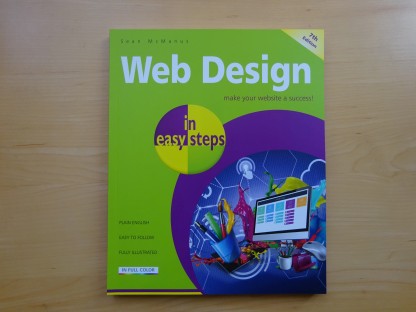
Web Design in Easy Steps, now in its 7th Edition, shows you how to make effective websites that work on any device.
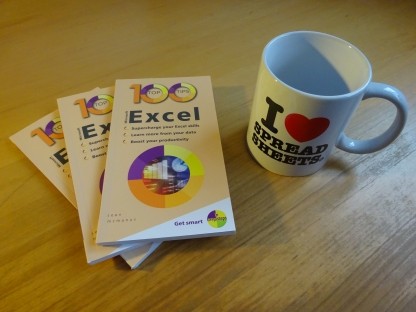
Power up your Microsoft Excel skills with this powerful pocket-sized book of tips that will save you time and help you learn more from your spreadsheets.
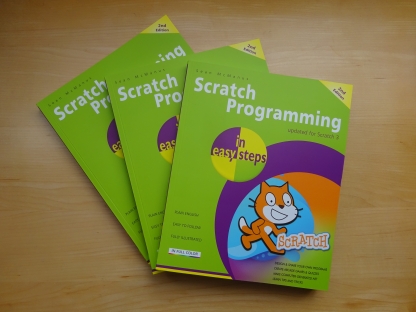
This book, now fully updated for Scratch 3, will take you from the basics of the Scratch language into the depths of its more advanced features. A great way to start programming.
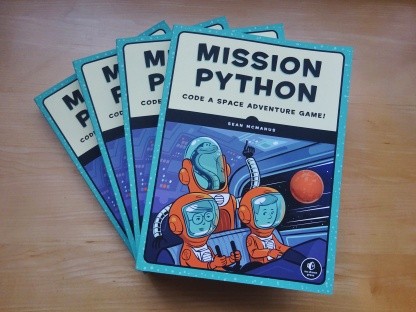
Code a space adventure game in this Python programming book published by No Starch Press.
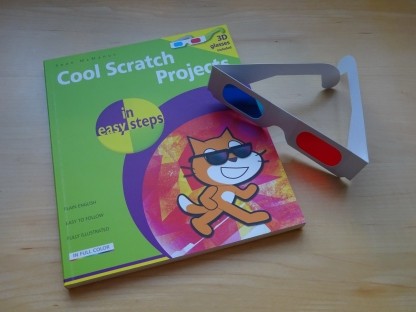
Discover how to make 3D games, create mazes, build a drum machine, make a game with cartoon animals and more!
 Top | Search | Help | Privacy | Access Keys | Contact me
Home |
Newsletter |
Blog |
Copywriting Services |
Books |
Free book chapters |
Articles |
Music |
Photos |
Games |
Shop |
About